Pallet Liquidation: Changing Unwanted Products Into Financial Gain
Pallet liquidation offers an effective approach for retailers struggling with surplus stock. Through converting returned or unsold merchandise into wholesale transactions, this process not only resolves inventory storage problems but also creates new income opportunities. Entrepreneurial buyers regularly explore these avenues to obtain premium merchandise at reduced prices. Yet, the complexities of acquiring and reselling such pallets expose difficulties that require careful consideration. What factors should one weigh before entering this evolving market?
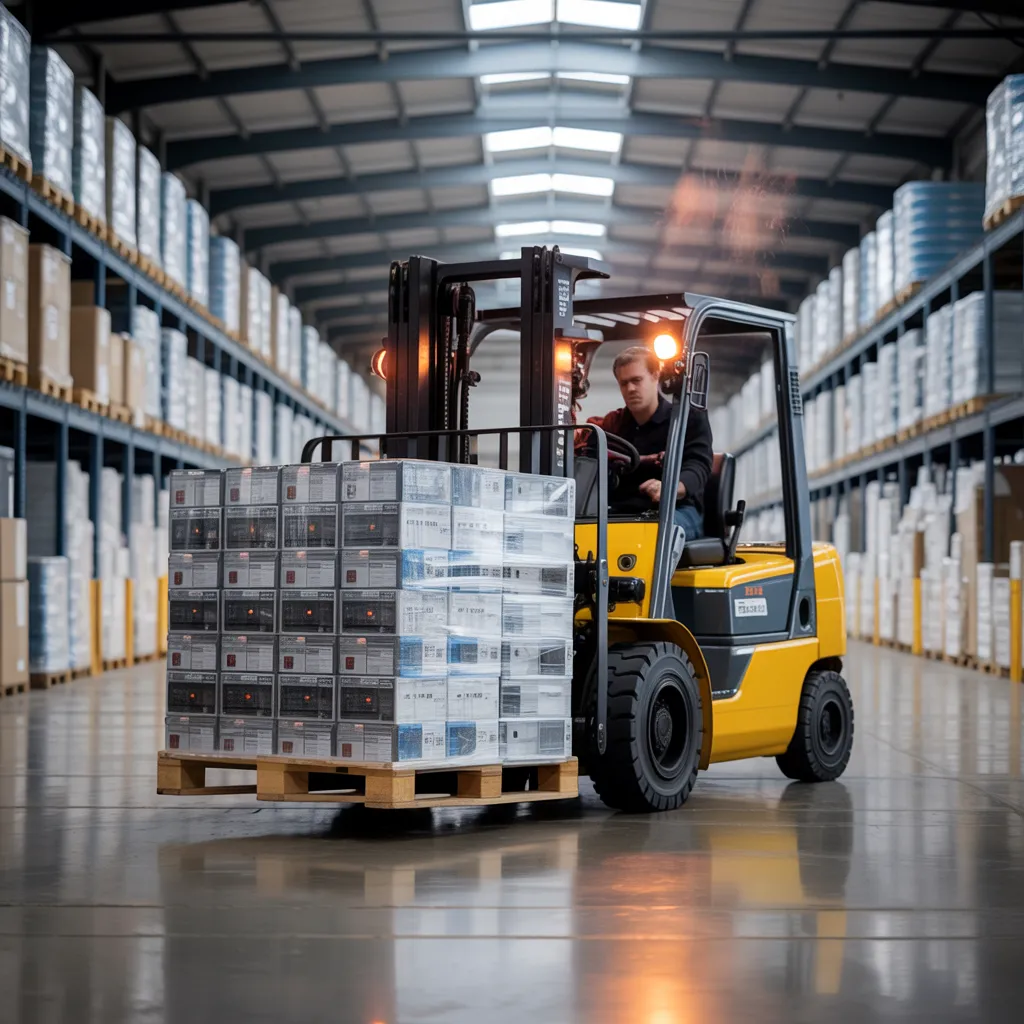
Pallet Liquidation Explained: What It Is and How It Works
Pallet liquidation describes the process of selling significant volumes of returned, excess, or unsold merchandise, typically organized on pallets for easy transport. This method allows merchants and distributors to regain some financial return from merchandise that might otherwise be discarded. Businesses frequently obtain these pallets from various sources, including manufacturers and retailers, who wish to clear out their excess stock.
After acquisition, the pallets are available for direct consumer purchase or via online auction platforms. Buyers, often small business owners or resellers, purchase these pallets with the expectation of reselling individual items at a profit. Each pallet may contain a diverse assortment of items, ranging from electronics to everyday household products. The draw of pallet liquidation stems from the prospect of considerable savings and the ability to find worthwhile products within a diverse collection. In summary, this approach offers an effective method for handling excess stock.
Popular Merchandise Categories available in Pallet Liquidation
Liquidation pallets often contain a diverse array of product categories, attracting various buyers looking for value. Typically available items consist of electronics, home goods, apparel, and beauty products. Electronic items, including smartphones and laptops, are especially in high demand, as they frequently maintain strong resale value. Home goods, including kitchen appliances and furniture, attract a wide range of buyers looking for budget-friendly home improvement solutions. Clothing categories may span from seasonal garments to activewear, attracting attention from thrift shop operators and resellers. Moreover, beauty merchandise, including skincare and cosmetics, draw in both everyday buyers and commercial retailers looking to profit from name-brand products. Seasonal merchandise frequently appears in liquidation offerings, giving buyers the chance to build stock prior to seasonal events. This variety of categories guarantees that liquidation pallets are well-suited to address the different requirements of buyers, creating opportunities for profit across multiple markets.
Benefits of Pallet Liquidation for Retailers
Many retailers benefit greatly from acquiring liquidation pallets, as they present a practical method to fill their shelves with a broad selection of products at lower costs. This strategy not only enhances inventory variety but also allows retailers to cater to varied customer needs without significant financial strain. The affordability of liquidation pallets allows retailers to copyright competitive pricing, potentially increasing revenue and customer retention.
Furthermore, acquiring wholesale liquidation pallets can lead to improved earnings, as many items are acquired at a small percentage of their original retail cost. Retailers can also capitalize on seasonal demands by swiftly sourcing trendy or seasonal products, thus responding to changing market needs. As an added benefit, the lead time for sourcing and reselling these products is often shorter than traditional sourcing methods, allowing businesses to respond swiftly to evolving consumer trends. All things considered, pallet liquidation serves as a practical solution for merchants seeking to enhance their efficiency and profit margins.
How to Find Quality Pallets
Sourcing quality pallets requires careful research and strategic planning. Interested buyers should start by locating trustworthy wholesalers and liquidation companies known for their reliability. Local auctions and online marketplaces can prove to be valuable sources, providing a selection of pallets at diverse costs.
One additional critical factor concerns examining the condition of the pallets. Shoppers need to look for evidence of deterioration, ensuring that the goods are in good condition and marketable. Building relationships with suppliers can result in improved pricing and availability of premium stock, strengthening procurement possibilities.
Keeping up with trending products and market shifts can help buyers choose pallets that will generate substantial returns when resold. Building relationships with other sellers can offer valuable guidance and suggestions, further aiding the sourcing process. By integrating these approaches, buyers can successfully obtain high-quality pallets that support profitable liquidation endeavors.
Top Strategies for Reselling Liquidated Pallets
Profiting from liquidated pallets requires thoughtful strategy and market awareness to increase earnings. Successful sellers begin by carrying out comprehensive research into current market trends and buyer needs. Recognizing profitable product categories, such as electronics, home goods, or seasonal items, facilitates strategic procurement.
Following this, sellers ought to inspect the condition of merchandise within the shipments. A thorough inventory is essential for determining the potential resale value and assists with establishing competitive prices. Utilizing online marketplaces and social media channels for advertising improves reach, reaching a broader audience.
Connecting with fellow resellers can prove advantageous, fostering collaborations that lead to shared insights and resources. Furthermore, resellers are advised to think about presenting combined offers or special pricing to appeal to purchasers and enhance circulation rates. Through the application of these approaches, resellers can effectively transform liquidated goods into lucrative opportunities, securing a prosperous operational strategy in the continuously changing retail environment.
Exploring the Legal and Ethical Aspects of Pallet Liquidation
Across the landscape of pallet liquidation, comprehending legal compliance obligations is vital for resellers to steer clear of potential liabilities. Moreover, ethical sourcing practices play a significant role in maintaining integrity within the industry. These considerations not only guide business practices but also determine consumer trust and overall brand reputation.
Legal Compliance Requirements
Legal compliance in pallet liquidation is essential for ensuring ethical practices and maintaining business integrity. Businesses operating in this industry are required to comply with a range of regulations, such as consumer protection laws, environmental guidelines, and tax responsibilities. Following these laws aids in minimizing risks connected to the distribution of potentially harmful or fraudulent merchandise. Additionally, businesses should be aware of local and federal regulations governing the resale of liquidated products, ensuring proper documentation and reporting. Neglecting to comply can bring about significant legal ramifications, including financial fines or forfeiture of business licenses. Through emphasizing legal adherence, pallet liquidation companies can build confidence among consumers and suppliers, thereby strengthening their standing and sustained success in the market.
Ethical Procurement Practices
Maneuvering through the challenges of pallet liquidation requires a dedication to ethical sourcing practices alongside legal compliance. Companies engaged in this sector must champion transparency and integrity, making certain that the products they process are procured with care. This encompasses validating the provenance of goods, examining the treatment more information of workers involved in production, and steering clear of products connected to environmental harm or exploitative labor practices. By embracing ethical sourcing standards, businesses not only mitigate legal risks but also enhance their reputation and customer trust. Furthermore, ethical practices can result in a more viable operation, resonating with socially conscious consumers. Overall, the integration of ethical considerations into pallet liquidation is essential for building a ethical and thriving business model.
Future Trends in the Pallet Liquidation Market
As the pallet liquidation sector continues to develop, various new trends are defining its future outlook. Digital platforms are becoming increasingly prevalent, allowing sellers and buyers to connect more efficiently. These platforms often utilize advanced algorithms to match inventory with demand, enhancing the speed of transactions. Additionally, sustainability is gaining traction, with companies focusing on eco-friendly practices in the liquidation process. This shift fosters a circular economy, where products are reused and repurposed, minimizing waste.
Moreover, pricing and product quality transparency are projected to grow, as shoppers require greater insight before buying. The rise of niche markets, especially in specialized products, is equally significant; enterprises are shifting to address particular consumer needs. Ultimately, the integration of data analytics will likely optimize inventory management, empowering retailers to make smarter business decisions. Collectively, these trends indicate a dynamic future for the pallet liquidation market, shaped by cutting-edge technology and a dedication to environmental responsibility.
Questions and Answers
What Types of Businesses Benefit Most From Pallet Liquidation?
E-commerce businesses, retailers, and discount stores stand to benefit the most from pallet liquidation. Such companies consistently pursue affordable inventory strategies to optimize their profitability. Smaller retailers can acquire diverse products at reduced prices, enhancing their offerings without significant investment. Moreover, online merchants take advantage of liquidation pallets to discover one-of-a-kind items for resale, gaining a marketplace advantage. In summary, companies that prioritize cost-effective stock management and varied product offerings find pallet liquidation especially beneficial for expansion and revenue growth.
How Can I Determine the Value of Liquidated Pallets?
To determine the worth of liquidated pallets, it is advisable to evaluate the market value of the products included, considering their overall condition and consumer demand. Researching comparable items online can provide insights into resale opportunities. Additionally, considering the acquisition expense and any applicable shipping or handling fees is critical. Finally, evaluating regional market conditions and consumer interest can aid in creating a competitive pricing strategy for the resale market.
Is It Possible for Individuals to Participate in Pallet Liquidation?
Yes, private buyers can take part in pallet liquidation. Many liquidation businesses and auctions permit anyone to place bids on or buy pallets directly. By exploring nearby vendors or online platforms, individuals can find various goods at reduced prices. It is critical for participants to recognize the risks present, such as potential hidden damages or unsold items, and to consider their ability to resell or use the items efficiently. Knowledge and preparation are key for success.
What Are the Most Common Mistakes to Avoid in Pallet Liquidation?
Typical pitfalls to avoid in pallet liquidation involve underestimating expenses, like freight and warehousing costs, resulting in diminished returns. Many buyers neglect to investigate the quality and worth of merchandise, leading to suboptimal buying choices. Additionally, neglecting to track inventory and sales can hinder success. Not understanding market demand may lead to unsold goods. At the end of the day, diving into transactions without a solid strategy can lead to significant financial setbacks, underscoring the value of deliberate and strategic planning.
In What Ways Do Shipping Costs Influence Pallet Liquidation Profitability?
Shipping expenses significantly affect the profitability of pallet liquidation by directly influencing the total cost structure. High shipping fees can erode margins, making it imperative for sellers to incorporate these expenses into their pricing models. Furthermore, variable shipping rates may impact inventory circulation, thereby influencing sales velocity. Effective supply chain planning and obtaining advantageous freight agreements can boost profit margins, allowing sellers to maximize returns on liquidated goods while reducing operational costs.